
Dec 26, 2024
8 Things I Wish I Knew Before Starting My Graphic Design Career
Starting out as a designer is a lot. And if you’re anything like me, you’ve probably felt super lost, low-key insecure, and not totally sure if you’re even doing it right. But looking back, there’s so much I wish I had known earlier. So here’s a little list of lessons I had to learn the hard way. Hopefully they save you some time (and maybe a few breakdowns).
1. You don’t need talent to start.
I'm gonna be real with you… my first designs were really bad. I seriously doubted if I was cut out for this. But the thing… ceativity isn’t some magical, you-have-it-or-you-don’t type of thing. It’s a skill. You get better by practicing and showing up consistently. If you’re stuck in the “I’m not talented enough” mindset, I’ve been there. The only way out is to start and keep going.
2. Create passion projects early.
Be proactive instead of reactive. Stop waiting for a teacher, client, or whoever to give you permission. Passion projects are the shortcut. They help you figure out your style, find your niche, and make work you’re actually excited about. Graphic design can feel super broad and overwhelming at first, so start with the styles and industries you’re already drawn to and put your own spin on them.
3. You don’t need real clients.
I used to think my portfolio had to be full of real, actual client work to be taken seriously (spoiler alert: it doesn't). Clients mostly care if you can execute ideas and concepts welll enough, and if your style fits their brand. That’s it. So don’t feel like you need to pad your portfolio with random client projects just to make it look legit. Only show the work you’re proud of Quality over quantity, always.
4. Create more of what you want to do.
Your portfolio is a magnet. It attracts the type of work you put out there. So if you love branding, show branding. If you’re into editorial design, highlight that. Don’t worry about being a jack of all trades because the more you focus on one area, the easier it’ll be for people to know exactly what you do and why they need you.
If you're early in your career, keep creating projects (especially passion projects). You need a lot of volume in the beginning so you can eventually get to the more quality work as you gain more experience.
5. Design is 50% visuals, 50% verbal.
I wish I had known earlier how important it is to explain your work. Design doesn’t always sell itself. Being able to talk about your ideas, explain your process, and pitch yourself makes such a difference. It’s not just about making things look good. It’s about communicating why they work. The better you get at that, the more confident you’ll feel.
6. Invest in continued learning.
This one hit me late. I didn’t start investing in my skills until later on, and I wish I had done it sooner. Whether it’s courses, mentorship, or coaching, leveling up isn’t always cheap, but it’s 100% worth it. Figure out what you need to work on and make a plan to get better. The more you invest in yourself, the faster you’ll grow. People learn faster from other people's mistakes.
7. Be open to change.
Things move fast in design. New tools, trends, tech… you name it. Resisting change will only slow you down. I’m not saying you have to jump on every shiny new thing, but be open-minded. Learn about where the industry is heading and adapt when it makes sense. The future’s coming either way, so you might as well be ready for it. The designers who sustain their careers are the ones who are able to adapt as things evolve.
8. Learn to handle criticism.
This one was rough for me. As an introvert, I used to take criticism super personally. But if you want to grow, you need to build thicker skin. Feedback will make you a better designer. It helps you justify your work, handle pushback, and work with tougher clients. It’s all part of the job, and the sooner you can take feedback without spiraling, the better.
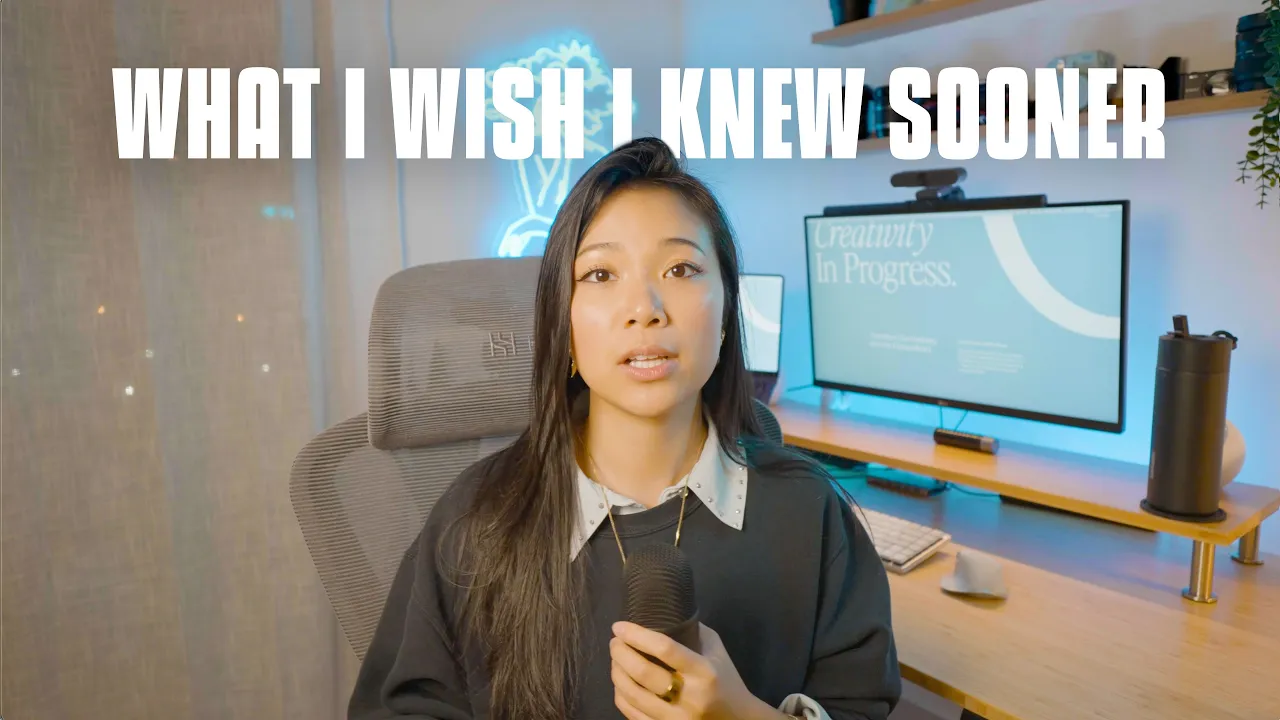
Wanna watch the video version of this blog? Check out this YouTube video.
They say one of the fastest ways to grow and get wiser is to learn from other people's mistakes, so I hope by sharing some lessons from my mistakes early on, you're able to learn from some, apply it to your life, while saving some time and headaches along the way.

Dec 26, 2024
8 Things I Wish I Knew Before Starting My Graphic Design Career
Starting out as a designer is a lot. And if you’re anything like me, you’ve probably felt super lost, low-key insecure, and not totally sure if you’re even doing it right. But looking back, there’s so much I wish I had known earlier. So here’s a little list of lessons I had to learn the hard way. Hopefully they save you some time (and maybe a few breakdowns).
1. You don’t need talent to start.
I'm gonna be real with you… my first designs were really bad. I seriously doubted if I was cut out for this. But the thing… ceativity isn’t some magical, you-have-it-or-you-don’t type of thing. It’s a skill. You get better by practicing and showing up consistently. If you’re stuck in the “I’m not talented enough” mindset, I’ve been there. The only way out is to start and keep going.
2. Create passion projects early.
Be proactive instead of reactive. Stop waiting for a teacher, client, or whoever to give you permission. Passion projects are the shortcut. They help you figure out your style, find your niche, and make work you’re actually excited about. Graphic design can feel super broad and overwhelming at first, so start with the styles and industries you’re already drawn to and put your own spin on them.
3. You don’t need real clients.
I used to think my portfolio had to be full of real, actual client work to be taken seriously (spoiler alert: it doesn't). Clients mostly care if you can execute ideas and concepts welll enough, and if your style fits their brand. That’s it. So don’t feel like you need to pad your portfolio with random client projects just to make it look legit. Only show the work you’re proud of Quality over quantity, always.
4. Create more of what you want to do.
Your portfolio is a magnet. It attracts the type of work you put out there. So if you love branding, show branding. If you’re into editorial design, highlight that. Don’t worry about being a jack of all trades because the more you focus on one area, the easier it’ll be for people to know exactly what you do and why they need you.
If you're early in your career, keep creating projects (especially passion projects). You need a lot of volume in the beginning so you can eventually get to the more quality work as you gain more experience.
5. Design is 50% visuals, 50% verbal.
I wish I had known earlier how important it is to explain your work. Design doesn’t always sell itself. Being able to talk about your ideas, explain your process, and pitch yourself makes such a difference. It’s not just about making things look good. It’s about communicating why they work. The better you get at that, the more confident you’ll feel.
6. Invest in continued learning.
This one hit me late. I didn’t start investing in my skills until later on, and I wish I had done it sooner. Whether it’s courses, mentorship, or coaching, leveling up isn’t always cheap, but it’s 100% worth it. Figure out what you need to work on and make a plan to get better. The more you invest in yourself, the faster you’ll grow. People learn faster from other people's mistakes.
7. Be open to change.
Things move fast in design. New tools, trends, tech… you name it. Resisting change will only slow you down. I’m not saying you have to jump on every shiny new thing, but be open-minded. Learn about where the industry is heading and adapt when it makes sense. The future’s coming either way, so you might as well be ready for it. The designers who sustain their careers are the ones who are able to adapt as things evolve.
8. Learn to handle criticism.
This one was rough for me. As an introvert, I used to take criticism super personally. But if you want to grow, you need to build thicker skin. Feedback will make you a better designer. It helps you justify your work, handle pushback, and work with tougher clients. It’s all part of the job, and the sooner you can take feedback without spiraling, the better.
Wanna watch the video version of this blog? Check out this YouTube video.
They say one of the fastest ways to grow and get wiser is to learn from other people's mistakes, so I hope by sharing some lessons from my mistakes early on, you're able to learn from some, apply it to your life, while saving some time and headaches along the way.
Dec 26, 2024
8 Things I Wish I Knew Before Starting My Graphic Design Career
Starting out as a designer is a lot. And if you’re anything like me, you’ve probably felt super lost, low-key insecure, and not totally sure if you’re even doing it right. But looking back, there’s so much I wish I had known earlier. So here’s a little list of lessons I had to learn the hard way. Hopefully they save you some time (and maybe a few breakdowns).
1. You don’t need talent to start.
I'm gonna be real with you… my first designs were really bad. I seriously doubted if I was cut out for this. But the thing… ceativity isn’t some magical, you-have-it-or-you-don’t type of thing. It’s a skill. You get better by practicing and showing up consistently. If you’re stuck in the “I’m not talented enough” mindset, I’ve been there. The only way out is to start and keep going.
2. Create passion projects early.
Be proactive instead of reactive. Stop waiting for a teacher, client, or whoever to give you permission. Passion projects are the shortcut. They help you figure out your style, find your niche, and make work you’re actually excited about. Graphic design can feel super broad and overwhelming at first, so start with the styles and industries you’re already drawn to and put your own spin on them.
3. You don’t need real clients.
I used to think my portfolio had to be full of real, actual client work to be taken seriously (spoiler alert: it doesn't). Clients mostly care if you can execute ideas and concepts welll enough, and if your style fits their brand. That’s it. So don’t feel like you need to pad your portfolio with random client projects just to make it look legit. Only show the work you’re proud of Quality over quantity, always.
4. Create more of what you want to do.
Your portfolio is a magnet. It attracts the type of work you put out there. So if you love branding, show branding. If you’re into editorial design, highlight that. Don’t worry about being a jack of all trades because the more you focus on one area, the easier it’ll be for people to know exactly what you do and why they need you.
If you're early in your career, keep creating projects (especially passion projects). You need a lot of volume in the beginning so you can eventually get to the more quality work as you gain more experience.
5. Design is 50% visuals, 50% verbal.
I wish I had known earlier how important it is to explain your work. Design doesn’t always sell itself. Being able to talk about your ideas, explain your process, and pitch yourself makes such a difference. It’s not just about making things look good. It’s about communicating why they work. The better you get at that, the more confident you’ll feel.
6. Invest in continued learning.
This one hit me late. I didn’t start investing in my skills until later on, and I wish I had done it sooner. Whether it’s courses, mentorship, or coaching, leveling up isn’t always cheap, but it’s 100% worth it. Figure out what you need to work on and make a plan to get better. The more you invest in yourself, the faster you’ll grow. People learn faster from other people's mistakes.
7. Be open to change.
Things move fast in design. New tools, trends, tech… you name it. Resisting change will only slow you down. I’m not saying you have to jump on every shiny new thing, but be open-minded. Learn about where the industry is heading and adapt when it makes sense. The future’s coming either way, so you might as well be ready for it. The designers who sustain their careers are the ones who are able to adapt as things evolve.
8. Learn to handle criticism.
This one was rough for me. As an introvert, I used to take criticism super personally. But if you want to grow, you need to build thicker skin. Feedback will make you a better designer. It helps you justify your work, handle pushback, and work with tougher clients. It’s all part of the job, and the sooner you can take feedback without spiraling, the better.
Wanna watch the video version of this blog? Check out this YouTube video.
They say one of the fastest ways to grow and get wiser is to learn from other people's mistakes, so I hope by sharing some lessons from my mistakes early on, you're able to learn from some, apply it to your life, while saving some time and headaches along the way.