
Feb 6, 2025
Ways To Land Clients and Make Money As A Graphic Designer
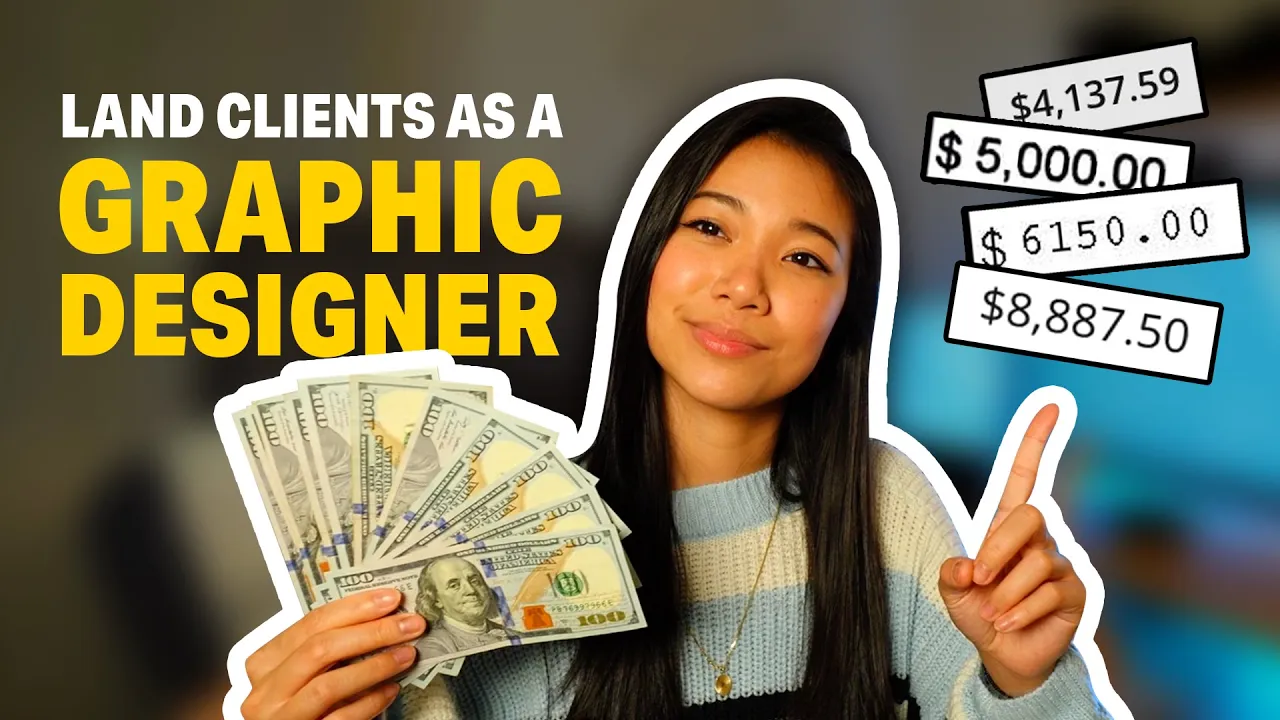
I’ve made tens of thousands of dollars as a graphic designer. There are so many different ways I’ve landed clients over the years and I'd like to share them with you.
Whether you’re freelancing full-time, doing it as a side hustle, or want extra income from your design skills, these tips all apply.
1. Word of Mouth / Referrals
This is hands down one of the most effective ways to land clients, especially when you’re starting out. Let your friends, family, and everyone in your network know you’re offering graphic design services. Seriously, tell people. Closed mouths don’t get fed.
I know it might feel annoying or awkward to put yourself out there, but this works. People refer you because they know, like, and trust you. Your designs don’t have to be the best in the world, but you do need to do good work so people feel confident recommending you.
Your reputation is everything. If you do great work, people will talk about it. If you flake or deliver something subpar, that word gets around too. Here’s a fun stat: 92% of people trust recommendations from friends and family over any other type of advertising. And did you know word-of-mouth drives between 20-50% of purchasing decisions? That’s a big deal.
2. Networking
Networking doesn’t have to be this formal, stuffy thing… it’s really just about connecting with people. And you can do it in person, online, or both. Go to events that interest you: join your local AIGA chapter, marketing meetups, or even groups unrelated to design.
Like running? Join a marathon group. You’d be surprised who knows who. Networking is a long game though. It’s about planting seeds, not selling your services on the spot. Build relationships first, and when someone needs a designer or knows someone who does, you’ll be top of mind.
And yes, I know a lot of us creatives are introverts and networking feels awkward (same here). But it’s a skill worth building. It helps with confidence, sales, pitching, and just getting your name out there.
3. Freelance Platforms
Freelance platforms like Upwork and Contra are places where brands post jobs for creatives. Most of these are short-term gigs, so I wouldn’t rely on them for long-term income unless you’re super active.
It’s competitive because you’re literally up against the entire world. But it’s a great way to get experience, build your portfolio, and land some real client work. Just know that it’s a numbers game. You might apply to 20 or 50 jobs and only hear back from a few.
To stand out, you’ll need a strong portfolio, competitive pricing, or positive reviews. And yes, these platforms take a cut. Contra has a monthly subscription fee, and Upwork charges you for connects (basically tokens to apply for jobs). Even if you don’t land something right away, browsing job posts helps you understand what’s in demand and how you can tailor your portfolio to fit.
4. Creative Portfolio Sites
If you’re not on Behance or Dribbble yet, get on it. These platforms are where brands go to find designers. It’s way easier to get discovered on these sites than just relying on your own website. Your SEO isn’t always going to work in your favor when you’re starting out.
One of my longest client relationships came from someone finding me on Behance. I also found an illustrator on Dribbble when I needed someone to help with my own brand. It works both ways.
Post your best work and keep it updated. Brands that value good design are looking here, so give them something to find.
5. Creative Talent Agencies
These are a step up from the freelance sites. Creative agencies and studios use these platforms to find quality freelance designers for longer-term work. They’re outsourcing because their in-house teams are full or they need specific skills they don’t have.
The pay is usually better and the projects are often with bigger brands. This is alot more competitive because the more skilled and talented designers are on here, so you’ll need a strong portfolio. Once you’ve got enough experience, check out places like We Are Rosie.
6. Social Media
Social media is a game-changer. It’s free marketing, and if you’re not using it, you’re leaving money on the table. Austin Kleon said it best: "if your work isn’t online, it doesn’t exist."
You have to be visible to get clients. Yes, it’s scary to put yourself out there, but it’s the easiest way to reach people worldwide. About 70% of my client work has come from YouTube, Instagram, and TikTok.
Create content that shows who you are and how you add value. This attracts not just clients, but other creatives and freelancers too. You’ll end up building a community that makes getting work way easier.
My advice would be to focus on 4 types of content:
1. Educational and value-driven (like this blog)
2. Personal and relatable
3. Thought leadership and authority
4. Promotional (but keep this one light because no one likes being sold to)
Social media builds credibility and shows potential clients how you think, who you are, and why they should trust you.
7. Job Hunting Websites
LinkedIn or ZipRecruiter are great if you’re looking for full-time or long-term roles. It's competitive but the opportunities are there.
Don’t just apply to open roles. Get proactive. Reach out to hiring managers, creative directors, or decision-makers directly. Slide into their DMs on LinkedIn or send them an email. It might take a little digging, but shoot your shot. If they don’t reply, follow up after a week or two and stay consistent.
Even if you don’t get a client right away, these conversations can lead to future opportunities.
8. Pro Bono Work
Basically doing free work, strategically. I know this one is controversial, but hear me out. When you’re just starting out and need portfolio pieces or experience, offering free work can help. The key is to be strategic, so only offer free work to brands or people you want to build a working relationship with.
Make sure you can afford to do it first. Take care of yourself and your bills. But if you can, find a brand you love, pitch your services, and offer to design something for free in exchange for a testimonial, referrals, or future paid opportunities.
Be clear about the value you’re providing and what market rates typically would be. Don’t let anyone take advantage of you. This is about building relationships, your portfolio, and credibility, not just giving away work for nothing.
Oh, and ALWAYS have a written contract.
9. Cold Emailing
This one’s quite a grind but it works. Cold emailing is reaching out to brands or people who have never heard of you. The key is to make it personal. Don’t blast the same generic email to 100 companies because no one's going to respond to that. Tailor it to the person or company you're contacting.
Do your research. Find the right contact person, whether that’s a creative director, recruiter, or hiring manager. Personalize your message to them and their brand. Make it clear why you want to work with them and how you can bring value to their team.
Attach your portfolio or some relevant work and make it easy for them to check you out. If they don’t respond after a week or two, follow up. If they still don’t respond after another week or so, move on.
Cold emailing takes time and effort, but it can open doors if you do it right.
There you have it ~ 9 proven ways to land clients as a designer. If you want to watch the YouTube video form of this blog, click here.
Some methods might work better for you than others, because there are so many factors that play a role: from your skills and experience, timing, job market, your niche, location, and how consistent you are.
But I can say this for sure: if you have a solid portfolio and you’re proactive about applying these methods, you will no doubt effectively land clients that pay you.

Feb 6, 2025
Ways To Land Clients and Make Money As A Graphic Designer
I’ve made tens of thousands of dollars as a graphic designer. There are so many different ways I’ve landed clients over the years and I'd like to share them with you.
Whether you’re freelancing full-time, doing it as a side hustle, or want extra income from your design skills, these tips all apply.
1. Word of Mouth / Referrals
This is hands down one of the most effective ways to land clients, especially when you’re starting out. Let your friends, family, and everyone in your network know you’re offering graphic design services. Seriously, tell people. Closed mouths don’t get fed.
I know it might feel annoying or awkward to put yourself out there, but this works. People refer you because they know, like, and trust you. Your designs don’t have to be the best in the world, but you do need to do good work so people feel confident recommending you.
Your reputation is everything. If you do great work, people will talk about it. If you flake or deliver something subpar, that word gets around too. Here’s a fun stat: 92% of people trust recommendations from friends and family over any other type of advertising. And did you know word-of-mouth drives between 20-50% of purchasing decisions? That’s a big deal.
2. Networking
Networking doesn’t have to be this formal, stuffy thing… it’s really just about connecting with people. And you can do it in person, online, or both. Go to events that interest you: join your local AIGA chapter, marketing meetups, or even groups unrelated to design.
Like running? Join a marathon group. You’d be surprised who knows who. Networking is a long game though. It’s about planting seeds, not selling your services on the spot. Build relationships first, and when someone needs a designer or knows someone who does, you’ll be top of mind.
And yes, I know a lot of us creatives are introverts and networking feels awkward (same here). But it’s a skill worth building. It helps with confidence, sales, pitching, and just getting your name out there.
3. Freelance Platforms
Freelance platforms like Upwork and Contra are places where brands post jobs for creatives. Most of these are short-term gigs, so I wouldn’t rely on them for long-term income unless you’re super active.
It’s competitive because you’re literally up against the entire world. But it’s a great way to get experience, build your portfolio, and land some real client work. Just know that it’s a numbers game. You might apply to 20 or 50 jobs and only hear back from a few.
To stand out, you’ll need a strong portfolio, competitive pricing, or positive reviews. And yes, these platforms take a cut. Contra has a monthly subscription fee, and Upwork charges you for connects (basically tokens to apply for jobs). Even if you don’t land something right away, browsing job posts helps you understand what’s in demand and how you can tailor your portfolio to fit.
4. Creative Portfolio Sites
If you’re not on Behance or Dribbble yet, get on it. These platforms are where brands go to find designers. It’s way easier to get discovered on these sites than just relying on your own website. Your SEO isn’t always going to work in your favor when you’re starting out.
One of my longest client relationships came from someone finding me on Behance. I also found an illustrator on Dribbble when I needed someone to help with my own brand. It works both ways.
Post your best work and keep it updated. Brands that value good design are looking here, so give them something to find.
5. Creative Talent Agencies
These are a step up from the freelance sites. Creative agencies and studios use these platforms to find quality freelance designers for longer-term work. They’re outsourcing because their in-house teams are full or they need specific skills they don’t have.
The pay is usually better and the projects are often with bigger brands. This is alot more competitive because the more skilled and talented designers are on here, so you’ll need a strong portfolio. Once you’ve got enough experience, check out places like We Are Rosie.
6. Social Media
Social media is a game-changer. It’s free marketing, and if you’re not using it, you’re leaving money on the table. Austin Kleon said it best: "if your work isn’t online, it doesn’t exist."
You have to be visible to get clients. Yes, it’s scary to put yourself out there, but it’s the easiest way to reach people worldwide. About 70% of my client work has come from YouTube, Instagram, and TikTok.
Create content that shows who you are and how you add value. This attracts not just clients, but other creatives and freelancers too. You’ll end up building a community that makes getting work way easier.
My advice would be to focus on 4 types of content:
1. Educational and value-driven (like this blog)
2. Personal and relatable
3. Thought leadership and authority
4. Promotional (but keep this one light because no one likes being sold to)
Social media builds credibility and shows potential clients how you think, who you are, and why they should trust you.
7. Job Hunting Websites
LinkedIn or ZipRecruiter are great if you’re looking for full-time or long-term roles. It's competitive but the opportunities are there.
Don’t just apply to open roles. Get proactive. Reach out to hiring managers, creative directors, or decision-makers directly. Slide into their DMs on LinkedIn or send them an email. It might take a little digging, but shoot your shot. If they don’t reply, follow up after a week or two and stay consistent.
Even if you don’t get a client right away, these conversations can lead to future opportunities.
8. Pro Bono Work
Basically doing free work, strategically. I know this one is controversial, but hear me out. When you’re just starting out and need portfolio pieces or experience, offering free work can help. The key is to be strategic, so only offer free work to brands or people you want to build a working relationship with.
Make sure you can afford to do it first. Take care of yourself and your bills. But if you can, find a brand you love, pitch your services, and offer to design something for free in exchange for a testimonial, referrals, or future paid opportunities.
Be clear about the value you’re providing and what market rates typically would be. Don’t let anyone take advantage of you. This is about building relationships, your portfolio, and credibility, not just giving away work for nothing.
Oh, and ALWAYS have a written contract.
9. Cold Emailing
This one’s quite a grind but it works. Cold emailing is reaching out to brands or people who have never heard of you. The key is to make it personal. Don’t blast the same generic email to 100 companies because no one's going to respond to that. Tailor it to the person or company you're contacting.
Do your research. Find the right contact person, whether that’s a creative director, recruiter, or hiring manager. Personalize your message to them and their brand. Make it clear why you want to work with them and how you can bring value to their team.
Attach your portfolio or some relevant work and make it easy for them to check you out. If they don’t respond after a week or two, follow up. If they still don’t respond after another week or so, move on.
Cold emailing takes time and effort, but it can open doors if you do it right.
There you have it ~ 9 proven ways to land clients as a designer. If you want to watch the YouTube video form of this blog, click here.
Some methods might work better for you than others, because there are so many factors that play a role: from your skills and experience, timing, job market, your niche, location, and how consistent you are.
But I can say this for sure: if you have a solid portfolio and you’re proactive about applying these methods, you will no doubt effectively land clients that pay you.
Feb 6, 2025
Ways To Land Clients and Make Money As A Graphic Designer
I’ve made tens of thousands of dollars as a graphic designer. There are so many different ways I’ve landed clients over the years and I'd like to share them with you.
Whether you’re freelancing full-time, doing it as a side hustle, or want extra income from your design skills, these tips all apply.
1. Word of Mouth / Referrals
This is hands down one of the most effective ways to land clients, especially when you’re starting out. Let your friends, family, and everyone in your network know you’re offering graphic design services. Seriously, tell people. Closed mouths don’t get fed.
I know it might feel annoying or awkward to put yourself out there, but this works. People refer you because they know, like, and trust you. Your designs don’t have to be the best in the world, but you do need to do good work so people feel confident recommending you.
Your reputation is everything. If you do great work, people will talk about it. If you flake or deliver something subpar, that word gets around too. Here’s a fun stat: 92% of people trust recommendations from friends and family over any other type of advertising. And did you know word-of-mouth drives between 20-50% of purchasing decisions? That’s a big deal.
2. Networking
Networking doesn’t have to be this formal, stuffy thing… it’s really just about connecting with people. And you can do it in person, online, or both. Go to events that interest you: join your local AIGA chapter, marketing meetups, or even groups unrelated to design.
Like running? Join a marathon group. You’d be surprised who knows who. Networking is a long game though. It’s about planting seeds, not selling your services on the spot. Build relationships first, and when someone needs a designer or knows someone who does, you’ll be top of mind.
And yes, I know a lot of us creatives are introverts and networking feels awkward (same here). But it’s a skill worth building. It helps with confidence, sales, pitching, and just getting your name out there.
3. Freelance Platforms
Freelance platforms like Upwork and Contra are places where brands post jobs for creatives. Most of these are short-term gigs, so I wouldn’t rely on them for long-term income unless you’re super active.
It’s competitive because you’re literally up against the entire world. But it’s a great way to get experience, build your portfolio, and land some real client work. Just know that it’s a numbers game. You might apply to 20 or 50 jobs and only hear back from a few.
To stand out, you’ll need a strong portfolio, competitive pricing, or positive reviews. And yes, these platforms take a cut. Contra has a monthly subscription fee, and Upwork charges you for connects (basically tokens to apply for jobs). Even if you don’t land something right away, browsing job posts helps you understand what’s in demand and how you can tailor your portfolio to fit.
4. Creative Portfolio Sites
If you’re not on Behance or Dribbble yet, get on it. These platforms are where brands go to find designers. It’s way easier to get discovered on these sites than just relying on your own website. Your SEO isn’t always going to work in your favor when you’re starting out.
One of my longest client relationships came from someone finding me on Behance. I also found an illustrator on Dribbble when I needed someone to help with my own brand. It works both ways.
Post your best work and keep it updated. Brands that value good design are looking here, so give them something to find.
5. Creative Talent Agencies
These are a step up from the freelance sites. Creative agencies and studios use these platforms to find quality freelance designers for longer-term work. They’re outsourcing because their in-house teams are full or they need specific skills they don’t have.
The pay is usually better and the projects are often with bigger brands. This is alot more competitive because the more skilled and talented designers are on here, so you’ll need a strong portfolio. Once you’ve got enough experience, check out places like We Are Rosie.
6. Social Media
Social media is a game-changer. It’s free marketing, and if you’re not using it, you’re leaving money on the table. Austin Kleon said it best: "if your work isn’t online, it doesn’t exist."
You have to be visible to get clients. Yes, it’s scary to put yourself out there, but it’s the easiest way to reach people worldwide. About 70% of my client work has come from YouTube, Instagram, and TikTok.
Create content that shows who you are and how you add value. This attracts not just clients, but other creatives and freelancers too. You’ll end up building a community that makes getting work way easier.
My advice would be to focus on 4 types of content:
1. Educational and value-driven (like this blog)
2. Personal and relatable
3. Thought leadership and authority
4. Promotional (but keep this one light because no one likes being sold to)
Social media builds credibility and shows potential clients how you think, who you are, and why they should trust you.
7. Job Hunting Websites
LinkedIn or ZipRecruiter are great if you’re looking for full-time or long-term roles. It's competitive but the opportunities are there.
Don’t just apply to open roles. Get proactive. Reach out to hiring managers, creative directors, or decision-makers directly. Slide into their DMs on LinkedIn or send them an email. It might take a little digging, but shoot your shot. If they don’t reply, follow up after a week or two and stay consistent.
Even if you don’t get a client right away, these conversations can lead to future opportunities.
8. Pro Bono Work
Basically doing free work, strategically. I know this one is controversial, but hear me out. When you’re just starting out and need portfolio pieces or experience, offering free work can help. The key is to be strategic, so only offer free work to brands or people you want to build a working relationship with.
Make sure you can afford to do it first. Take care of yourself and your bills. But if you can, find a brand you love, pitch your services, and offer to design something for free in exchange for a testimonial, referrals, or future paid opportunities.
Be clear about the value you’re providing and what market rates typically would be. Don’t let anyone take advantage of you. This is about building relationships, your portfolio, and credibility, not just giving away work for nothing.
Oh, and ALWAYS have a written contract.
9. Cold Emailing
This one’s quite a grind but it works. Cold emailing is reaching out to brands or people who have never heard of you. The key is to make it personal. Don’t blast the same generic email to 100 companies because no one's going to respond to that. Tailor it to the person or company you're contacting.
Do your research. Find the right contact person, whether that’s a creative director, recruiter, or hiring manager. Personalize your message to them and their brand. Make it clear why you want to work with them and how you can bring value to their team.
Attach your portfolio or some relevant work and make it easy for them to check you out. If they don’t respond after a week or two, follow up. If they still don’t respond after another week or so, move on.
Cold emailing takes time and effort, but it can open doors if you do it right.
There you have it ~ 9 proven ways to land clients as a designer. If you want to watch the YouTube video form of this blog, click here.
Some methods might work better for you than others, because there are so many factors that play a role: from your skills and experience, timing, job market, your niche, location, and how consistent you are.
But I can say this for sure: if you have a solid portfolio and you’re proactive about applying these methods, you will no doubt effectively land clients that pay you.